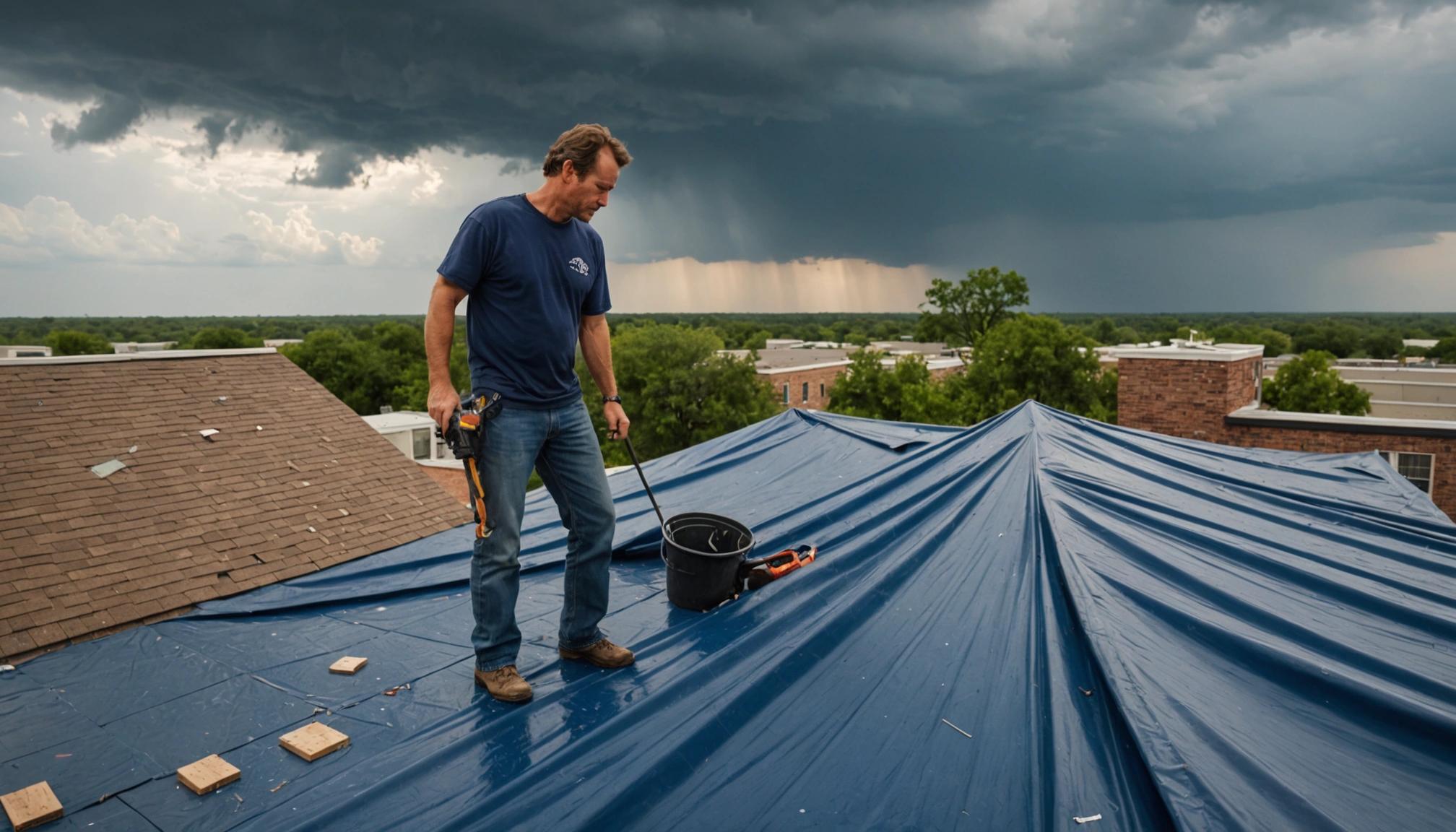
Temporarily Fix A Leaky Roof After A Storm In Texas (DIY Tips)
Is that dreaded drip-drip-drip keeping you up at night after a storm in Texas? You’re not alone! Here at Superior Roofing and Foam, we’re on a mission to help you temporarily fix a leaky roof until you can get permanent repairs done. A leaky roof can cause significant damage if not addressed promptly, but with a few DIY tips and tricks, you can mitigate the problem temporarily.
In this DIY guide, we’ll walk you through identifying the source of the leak, the materials you’ll need for a quick fix, and the best temporary solutions for different types of roof leaks. Stay safe and proactive before the next storm hits! Buckle up and let’s dive into some handy homeowner hacks.
What Materials Do I Need to Temporarily Fix a Leaky Roof?
After a storm, a leaky roof can be a major headache, but with the right materials, you can patch things up until help arrives. You don’t need to break the bank or buy any fancy equipment for a temporary fix. A few basic supplies can help you manage the leak and minimize damage.
- Tarp: A heavy-duty tarp is ESSENTIAL for covering large areas and keeping water out.
- Nails or Screws: Use these to secure the tarp in place. Ensure they’re weather-resistant!
- Ladder: A sturdy ladder will allow safe access to the roof. (Make sure it’s stable and set on firm ground.)
- Hammer or Drill: Necessary tools for securing nails or screws. A cordless drill saves time and effort.
- Roof Patch Tape: Quick-drying and waterproof, it’s perfect for sealing small leaks until a permanent repair is made.
- Measuring Tape: Helps to accurately size and cut the tarp or patch materials.
- Putty Knife: Useful for applying sealant or smoothing surfaces.
- Sealant or Roofing Cement: These products can seal gaps or holes efficiently and provide a waterproof barrier.
- Safety Gear: Don’t forget gloves and a helmet! Safety should always be a priority when working at heights.
With these items on hand, you can secure your roof temporarily and protect your home from further damage. For more comprehensive solutions, consider professional roof repair services in Lubbock, TX. Next, we’ll guide you on identifying the exact source of the roof leak effectively.
How Can I Identify the Source of the Roof Leak After a Storm?
After a storm, finding the source of a roof leak can be tricky—especially with water taking unexpected paths within your home. BUT, identifying the source is crucial to fixing it properly and preventing further damage. Start by inspecting your attic or ceiling for any signs of moisture, stains, or drips.
Here are some steps to help you pinpoint the leak source:
- Check the Attic: Look for damp spots, dark stains, or discolored insulation—signs that water is seeping in.
- Inspect the Roof from the Inside: Use a flashlight to trace any water trails or moisture marks back to their origin.
- Examine Roofing Materials: From the outside, inspect for missing or damaged shingles, loose flashing, or cracked sealants.
- Look for Roof Vulnerabilities: Pay special attention to roof valleys, dormers, and areas around vents or chimneys—common leak points.
- Spot Damaged Gutters: Ensure gutters and downspouts are clear and intact, as blockages can cause water overflow leading to leaks.
- Check Roof Penetrations: Inspect areas where pipes or antennas penetrate the roof; these spots are often prone to leaks if seals are broken.
Accurately locating the leak is essential to apply the right fix. Sometimes a second set of eyes can help, so don’t hesitate to ask a knowledgeable friend or professional roof repair service if needed.
What Are the Best Temporary Fixes for Different Types of Roof Leaks?
After a storm, discovering a leaky roof can be frustrating. Temporary fixes are a lifesaver until you can get permanent repairs. Here’s a breakdown of solutions for various roof types and leak situations.
Fixing Small Holes and Punctures
Small holes or punctures can occur from debris or aging roofing materials. For a quick fix, use roofing tape or a waterproof sealant. Roofing tape is easy to apply—just make sure the area is clean and dry before pressing it on.
Waterproof sealant can provide a robust barrier against leaks. Apply it generously around the hole, ensuring full coverage.
Sealing Gaps or Cracked Flashing
Gaps around vents, chimneys, or cracked flashing can let water seep through. Seal these areas with a roofing caulk or a patch kit. Clear debris from the area, apply caulk directly along the gaps, and smooth it out for even coverage.
For a more durable solution, use a flashing patch kit that includes a patch and adhesive compound.
Repairing Damaged Shingles
If shingles are cracked or broken, they need immediate attention. Use roofing cement to seal small cracks. For larger damage, gently lift damaged shingles and slide roofing nail under them before securing with a roofing hammer.
If shingles are missing altogether, a spare shingle and roofing nails can temporarily fill the gap until professional help arrives.
Covering Large Leaks with a Tarp
For substantial leaks or severely damaged sections, a tarp can provide protection. Choose a tarp that covers the damaged area and extends a few feet beyond. Secure it with roofing nails or heavy-duty staples.
Make sure the tarp is tightly fastened to prevent wind from tearing it off—particularly crucial in storm-prone areas like Texas roofing solutions.
Handling Gutters and Downspout Issues
Sometimes, leaks are due to clogged gutters or downspouts. Clear debris to ensure water flows away from the roof properly. If a downspout is broken, reattach it securely or temporarily redirect water using flexible tubing.
Routine gutter maintenance helps prevent future issues, allowing rainwater to flow freely and away from your roof and home exterior.
These temporary fixes can help minimize further water damage until a roofing professional can provide a permanent solution. Remember—safety first when working on any roof repair. Use proper equipment and never attempt work in dangerous conditions.
How Do I Safely Access and Work on My Roof After a Storm?
Safety first! After a storm, your roof might need immediate attention, but accessing it can be dangerous. Risks are heightened by wet, slippery surfaces and potential structural damage. It’s crucial to proceed with caution—let’s walk through some essential steps to ensure your safety.
- Inspect from the ground: Scanning your roof from ground level is the safest first step. Use binoculars to look for visible damage such as missing shingles or broken tiles.
- Check weather conditions: Make sure the weather conditions are stable. Avoid going onto the roof if it’s raining, windy, or if there’s a risk of another storm.
- Use proper safety equipment: Wear non-slip shoes and a safety harness if possible. Gloves will also protect your hands from sharp debris.
- Stabilize the ladder: Ensure your ladder is sturdily positioned, ideally on a flat surface. Have someone hold it steady while you climb.
- Limit roof exploration: Walk only on stable sections and avoid areas that appear damaged or overly slippery. The less often you walk on your roof, the better.
- Avoid working alone: Having a partner nearby is always a good idea for both safety and assistance if something goes wrong.
- Keep tools organized: Use a tool belt or bucket to carry necessary items. This frees up your hands for balance and maneuverability.
- Know when to stop: If you encounter anything more complex or dangerous than you can handle, stop. It’s better to call a professional than risk injury.
Remember, no repair is worth risking your health or safety. Evaluate the situation carefully, and when in doubt, seek professional help. For more detailed guidance on roof safety and maintenance, explore the roofing tips and advice provided by experts.
When Should I Seek Professional Help for a Leaky Roof in Texas?
Discovering a leaky roof after a Texas storm can be a headache. Before you rush to fix it yourself, it’s important to assess the situation critically. While some minor issues might be manageable with a DIY approach, other scenarios require professional intervention.
If your roof has multiple leaks or extensive damage (such as missing shingles or sizable holes), it’s time to call an expert. DIY solutions might offer a quick fix, but they can’t replace a professional’s expertise. Professionals not only repair the damage but help discover underlying issues that may go unnoticed. Ignoring these can lead to costlier repairs down the road.
Another factor to consider is safety—especially after a storm. If your roof is steep, slippery, or structurally compromised, prioritizing safety is essential. Climbing onto such a roof can be dangerous. Leaving it to professionals minimizes risks to your wellbeing.
Texas boasts severe weather conditions (think intense storms, hail, and tornadoes). This means your roof might have endured more than a simple leak. If you suspect structural damage or if the age of your roof is a concern, it’s best to seek a thorough inspection by well-trained professionals.
In conclusion, while minor leaks might tempt you to take the reins, significant damage, safety concerns, and potential for unrecognized issues make seeking professional help a smart choice. As the saying goes, “Better safe than sorry!” Prioritizing professional roof repair is an investment to keep your home safe and sound.
How Can I Prevent Roof Leaks in Future Storms?
Keeping your roof in prime shape is CRUCIAL to fend off leaks during unforgiving storms. Regular maintenance and some proactive measures can make a world of difference. Let’s dive into some strategies you can employ to safeguard your home.
Regular Roof Inspections and Maintenance
Schedule regular inspections—ideally twice a year (once in spring and again in fall). These inspections help spot potential issues early, like loose shingles or accumulated debris, that could lead to leaks.
Clear out gutters and downspouts regularly, ensuring water flows freely and doesn’t pool around your roof.
Ensure Proper Attic Ventilation and Insulation
Proper attic ventilation reduces moisture buildup and prevents ice dams in colder regions. A well-ventilated attic minimizes the risk of leaks by keeping temperature differences from impacting your roof structure.
Insulation also plays a key role. It helps maintain your home’s temperature and prevents heat from escaping to the roof—further reducing the chances of storm-related damage.
Invest in Quality Roofing Materials
Consider upgrading to more durable roofing materials if you’re in a storm-prone area. Impact-resistant shingles or metal roofing options withstand harsh weather better and last longer.
A higher upfront cost might save you from expensive repairs down the line—and give you peace of mind during severe storms.
Keep Trees Trimmed and Away from the Roof
Overhanging branches and nearby trees are a risk to your roof. In storms, they can fall and cause significant damage—leading to leaks.
Regularly trim back branches and maintain distance between trees and your roof to prevent unwanted contact during high winds.
Install Roof Flashing Correctly
Roof flashing is essential for sealing gaps and joints where leaks are likely to occur. Ensure your flashing is in good condition and properly sealed around chimneys, vents, and skylights.
Promptly repair damaged flashing to prevent water intrusion and keep your home watertight.
Taking these preventive measures helps protect your home, KEEPING future storms at bay without the worry of dangerous leaks. Implement these strategies to enjoy a safe, dry home, no matter the weather.
Conclusion
In the aftermath of a storm, temporarily fixing a leaky roof is crucial to prevent further damage to your home. While DIY methods can provide immediate relief, they are not a permanent solution. It’s essential to have a professional assessment and repair to ensure the longevity and safety of your roof. Superior Roofing and Foam, based in Lubbock, is your reliable partner in such times, offering expert roof repair and storm damage repair services tailored to meet your needs.
With a reputation for quality service across Lubbock, Wolfforth, Shallowater, Levelland, Brownfield, and Plainview, our team is ready to assist you with any roofing needs, from installations to insulation. Trust Trey Zamora and his dedicated team to restore your roof with professionalism and expertise. Don’t hesitate to reach out to us at 806-300-5710 or via email at trey@superiorroofingandfoam.com for a quick and efficient response. Your home deserves the best protection, and we’re here to provide it with a touch of excellence and care.


