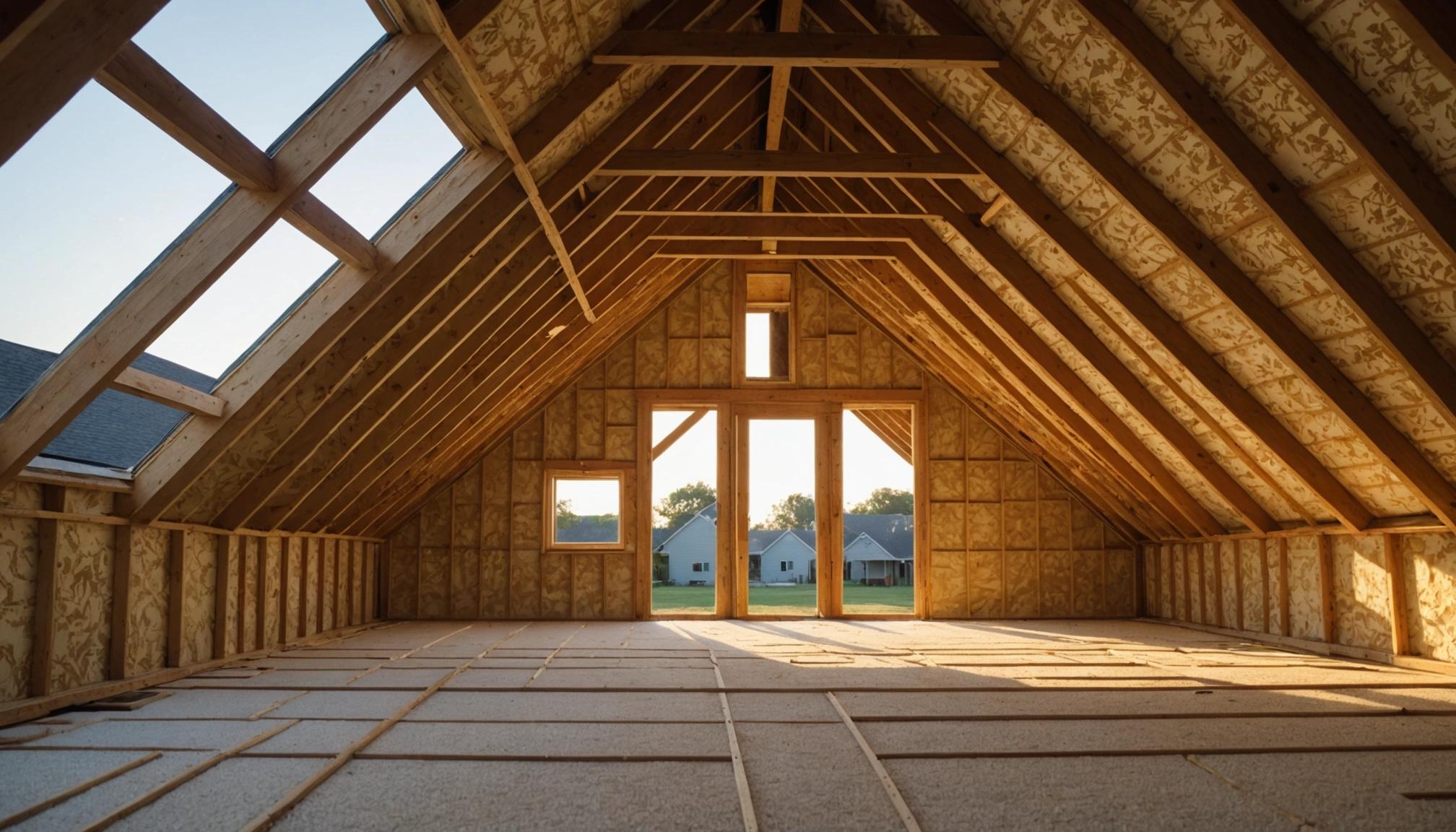
Is Spray Foam Insulation Effective for Texas Attics? (Expert Insights)
Is spray foam insulation effective for Texas attics? At Superior Roofing and Foam, we understand that choosing the right insulation is crucial for maintaining a comfortable and energy-efficient home, especially in the unique climate of Texas. The answer to this question is a resounding “yes!” – spray foam insulation is not only effective but offers numerous benefits that we’ll dive into throughout this article.
Our expertise spans across numerous services including insulation installation, and we’re here to guide you through the ins and outs of spray foam. From its advantages and misconceptions to the impact on energy efficiency, we’ll cover it all. So, whether you’re in Lubbock, Wolfforth, or any of the surrounding areas, read on to discover why spray foam insulation might just be the perfect solution for your attic needs!
How Does Spray Foam Insulation Work in Texas Attics?
Spray foam insulation is a popular choice in Texas attics due to its unique properties and effectiveness in both heat and humidity. It works by expanding on application—filling gaps and sealing air leaks. This creates an airtight barrier that prevents unwanted airflow.
Understanding Open-Cell vs. Closed-Cell Foam
There are two types of spray foam: open-cell and closed-cell. Open-cell foam is lightweight and expands significantly. It’s ideal for filling hard-to-reach areas. Closed-cell foam is denser and provides a higher R-value, making it suitable for areas needing maximum insulation and structural reinforcement. For more detailed insights, visit Superior Roofing and Foam.
The Role of R-Value in Insulation
R-value measures the resistance to heat flow. The higher the R-value, the better the insulation performance. In Texas, where heat is intense, having a high R-value in attic insulation is crucial for reducing heat transfer and maintaining comfortable indoor temperatures.
Impact on Moisture Control
Texas homes face high humidity, especially in coastal areas. Spray foam insulation helps manage moisture by creating an effective vapor barrier. This reduces the risk of mold growth and structural damage, ensuring a healthier attic environment.
What Are the Advantages of Using Spray Foam Insulation in Texas?
Spray foam insulation comes with substantial benefits, especially in regions with extreme temperatures—like Texas. Known for its performance, spray foam excels in thermal resistance and airtight sealing, making it a savior in hot climates.
Let’s dive into the advantages that make spray foam insulation a smart choice for Texas homeowners:
- Energy Efficiency: Spray foam provides a strong barrier against heat transfer, reducing the load on air conditioning systems and resulting in lower energy bills.
- Superior Air Seal: Unlike traditional insulation, spray foam fills gaps and cracks, preventing air leaks that can lead to higher energy costs and uncomfortable living conditions.
- Moisture Control: It acts as a barrier to moisture, preventing mold growth and protecting the structural integrity of your home.
- Durability: Once applied, spray foam remains flexible and retains its properties over time, offering long-lasting insulation without the need for frequent replacements.
- Soundproofing: It significantly reduces noise levels, creating a quieter environment by absorbing sound waves more effectively than other insulations.
- Versatility: Suitable for various applications, it can be used in attics, walls, ceilings, and basements, providing comprehensive insulation coverage.
These benefits make spray foam insulation an appealing option for addressing the unique challenges of Texas homes. It’s not just an energy-saving measure; it’s an investment in comfort and protection.
Is Spray Foam Insulation Suitable for Hot Climates Like Texas?
Yes—spray foam insulation is indeed suitable for hot climates like Texas. In fact, it excels under these conditions. It creates a tight seal, which prevents air leaks and keeps the conditioned air inside. This is crucial in a scorching Texan summer, where home cooling is often CONTINUOUS. Spray foam’s ability to expand and fill tiny gaps ensures a strong barrier against heat infiltration.
Unlike traditional insulation materials, spray foam also acts as a vapor barrier. This is especially important in high-humidity environments, reducing the risk of moisture-related issues. Its durability further adds to its appeal since it maintains its integrity and insulating properties, even with extreme temperature fluctuations common in Texas.
Despite the upfront cost being higher, the long-term energy savings and improved comfort make it a worthwhile investment. Your AC works less, your comfort improves, and your energy bills can shrink. In conclusion, spray foam insulation is not only suitable but also highly effective for Texas’s hot climate. For more insights into its benefits, visit the expert team at Superior Roofing and Foam. Up next, let’s dispel some common myths about spray foam insulation.
What Are Common Misconceptions About Spray Foam Insulation?
Myth: Spray Foam Insulation is Toxic
Many people believe spray foam insulation is toxic and poses health risks. However, when properly installed, it’s safe. The key is professional installation—ensuring all components are mixed correctly and given adequate time to cure.
Myth: Spray Foam Insulation is Not Environmentally Friendly
Some assume spray foam isn’t eco-friendly due to its chemical nature. In reality, it reduces energy consumption, which significantly lowers a home’s carbon footprint over time. Products have also evolved, with many being created from renewable resources and without harmful chemicals.
Myth: Spray Foam Insulation Causes Mold
There’s a misconception that spray foam traps moisture and leads to mold growth. On the contrary, it seals gaps and prevents air infiltration better than other insulations—helping to keep moisture out and making homes less prone to mold issues.
Myth: Spray Foam Insulation is Too Expensive
The upfront cost can seem higher compared to other insulation types. However, consider long-term savings. It drastically cuts energy bills—meaning it can pay for itself over time. Many homeowners find it a worthy investment.
Myth: Spray Foam Insulation is Only for New Homes
While often used in new constructions, spray foam is perfectly suited for retrofits, too. It can enhance the thermal performance of existing homes, improving comfort and energy efficiency.
By debunking these myths, homeowners can make more informed decisions about spray foam insulation. For more insights, check out this comprehensive guide on spray foam insulation. Up next, we’ll delve into how this insulation boosts energy efficiency in Texas homes.
How Does Spray Foam Insulation Impact Energy Efficiency in Texas Homes?
When it comes to energy efficiency in Texas homes, spray foam insulation is a game changer. Texas’s hot climate can lead to high energy bills due to excessive air conditioning needs. Spray foam insulation helps address this by providing a superior barrier against heat transfer.
This type of insulation works by expanding to fill gaps and crevices, effectively sealing your home against air leaks (unlike traditional insulation materials). This comprehensive seal is pivotal in maintaining comfortable indoor temperatures—keeping cool air in and hot air out during sweltering Texas summers, which equates to lower utility bills.
Consider these key benefits of spray foam insulation for energy efficiency:
- Air Sealing: Prevents unwanted air exchange between the inside and outside of your home, reducing the load on your HVAC system.
- Moisture Control: Acts as a barrier to moisture, which not only improves energy efficiency but also prevents mold growth.
- High R-Value: Offers one of the highest R-values per inch, meaning it is more effective in insulating your home compared to other types of insulation.
- Longevity: A durable solution—spray foam insulation maintains its performance over time, ensuring ongoing energy savings.
- Reduced Energy Costs: By optimizing your home’s thermal envelope, it can lead to significant reductions in heating and cooling costs.
By choosing spray foam insulation, Texas homeowners can improve their home’s energy efficiency—delivering year-round comfort and savings.
What Should Homeowners Consider Before Installing Spray Foam Insulation?
Before diving into spray foam insulation for your Texas attic, there are several factors to consider. Proper planning ensures you reap the full benefits of this insulation type, optimizing energy efficiency and comfort while minimizing potential downsides.
Here’s what you need to keep in mind:
- Professional Installation: Spray foam requires precise application. Hiring a licensed professional ensures safe and effective insulation, avoiding common pitfalls that DIY attempts might encounter.
- Cost Considerations: Spray foam is generally more expensive upfront compared to other types of insulation. Factor in budget and potential long-term energy savings when assessing value.
- Type of Spray Foam: Choose between open-cell and closed-cell foam. Open-cell is less dense and more affordable, while closed-cell offers higher insulation value and moisture resistance.
- Building Codes and Regulations: Ensure compliance with local building codes and regulations. Professional installers are usually up-to-date with these requirements, but it’s good to verify.
- Potential Allergens and Health Concerns: While cured spray foam is generally safe, the installation process can release chemicals. Consider any household health concerns and ways to mitigate exposure during installation.
- Airflow and Ventilation: Spray foam creates an air-tight seal, which is great for insulation but can affect ventilation. Ensure there’s adequate airflow to maintain indoor air quality.
- Future Repairs and Modifications: Consider accessibility for future repairs or modifications. Spray foam can make it difficult to access certain areas, so plan accordingly.
Conclusion
Spray foam insulation is a highly effective solution for Texas attics, offering superior energy efficiency and enhanced comfort by significantly reducing air leakage and stabilizing indoor temperatures. Given the intense heat and fluctuating weather conditions in Texas, investing in this type of insulation can lead to substantial savings on energy bills and improved home comfort.
At Superior Roofing and Foam, we specialize in insulation installation alongside our comprehensive roofing services. We proudly serve areas such as Lubbock, Wolfforth, Shallowater, Levelland, Brownfield, and Plainview. Contact us today at (806) 300-5710 or email trey@superiorroofingandfoam.com to discuss how we can help enhance your home’s comfort and efficiency with spray foam insulation. We look forward to assisting you with all your roofing and insulation needs!


